A broken garage door spring is one of the most common issues homeowners face. If your garage door isn’t opening or closing smoothly, or it’s stuck entirely, chances are that the spring is damaged. Repairing or replacing a garage door spring might seem overwhelming, but with the right approach and a bit of knowledge, you can get it done efficiently and safely.
Identify the Problem
Before diving into any repair, the first step is identifying whether the spring is actually the cause. Look for these signs:
- The garage door won’t lift or is harder to open.
- You hear loud snapping sounds from the garage door.
- The spring looks visibly worn or broken.
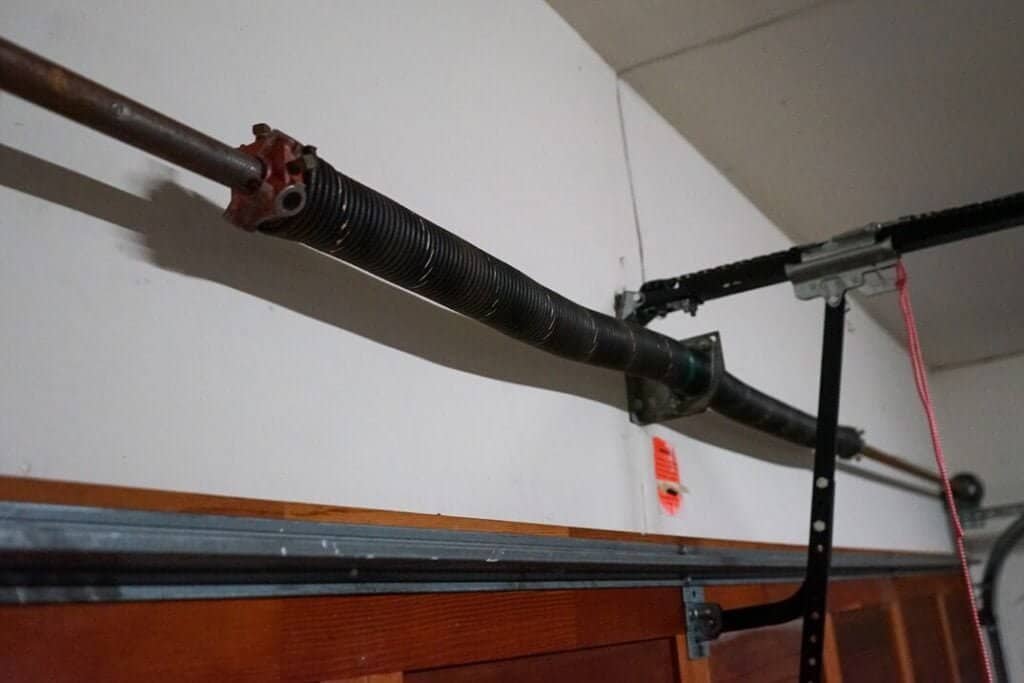
Garage doors have two main types of springs: torsion springs and extension springs. Torsion springs are located above the door, while extension springs run along the sides. Knowing which type you have is essential for a successful repair.
Gather the Right Tools
You’ll need the following tools to replace a broken garage door spring safely:
- Wrenches and sockets
- Winding bars (if dealing with torsion springs)
- Ladder
- Safety goggles and gloves
- Replacement spring (make sure it matches the specifications of the broken one)
Safety is crucial when handling springs because they are under extreme tension. Without proper precautions, accidents can happen. If you’re unsure, consulting a professional garage door repair service is always a good idea.
Release the Tension on the Broken Spring
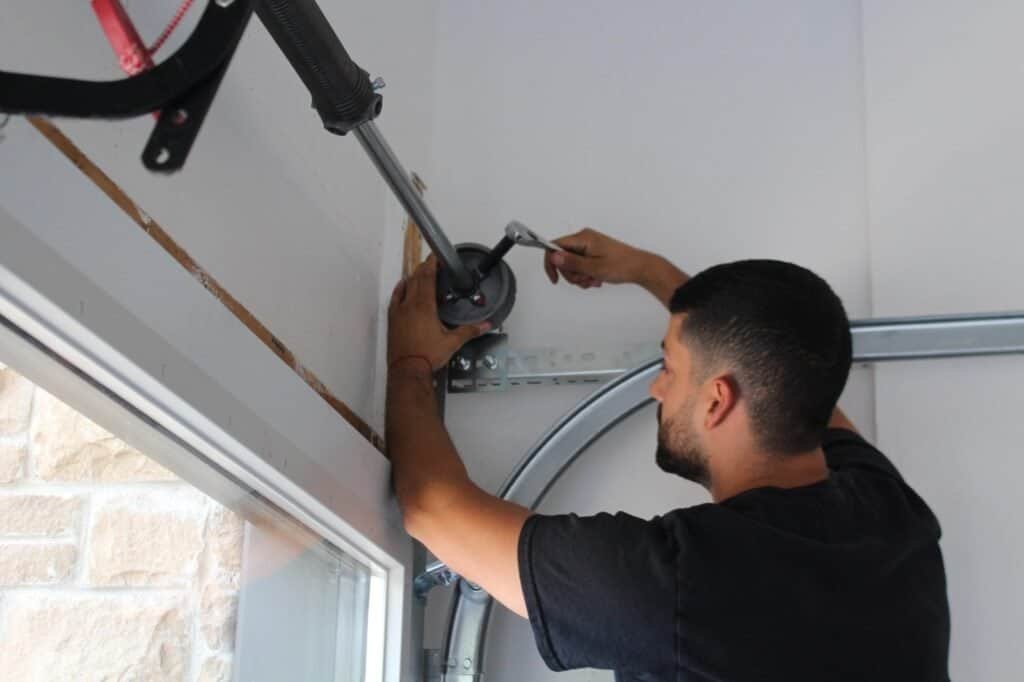
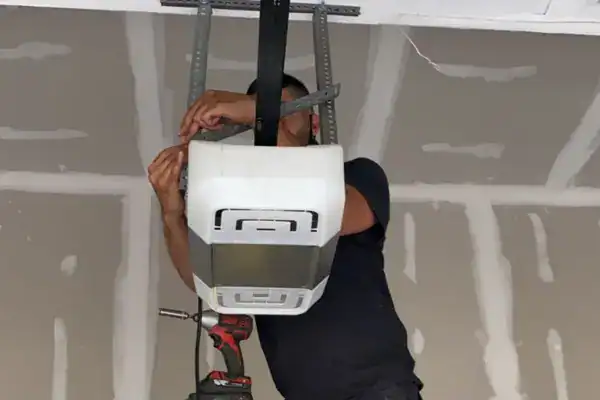
If you have a torsion spring, the first thing to do is to release the tension carefully.
- Start by using your winding bar to loosen the screws on the winding cone of the spring.
- Gradually let the tension out of the spring by turning the winding cone, allowing the energy to dissipate slowly.
For extension springs, you’ll need to disconnect the safety cables running through them. Proceed with caution, as these springs can snap and cause injury if not handled properly.
Remove the Old or Broken Spring
Once the tension has been released, you can begin removing the broken spring.
- For torsion springs, use a wrench to loosen the bolts that hold the spring in place and carefully slide it off the rod.
- For extension springs, disconnect the cables and pulleys, then remove the spring.
Take care when handling the broken spring, as pieces may still be sharp or under slight tension.
Install the New Spring
With the old spring out of the way, it’s time to install the new one. Make sure the replacement spring matches the dimensions of the original, including the length, wire size, and inside diameter.
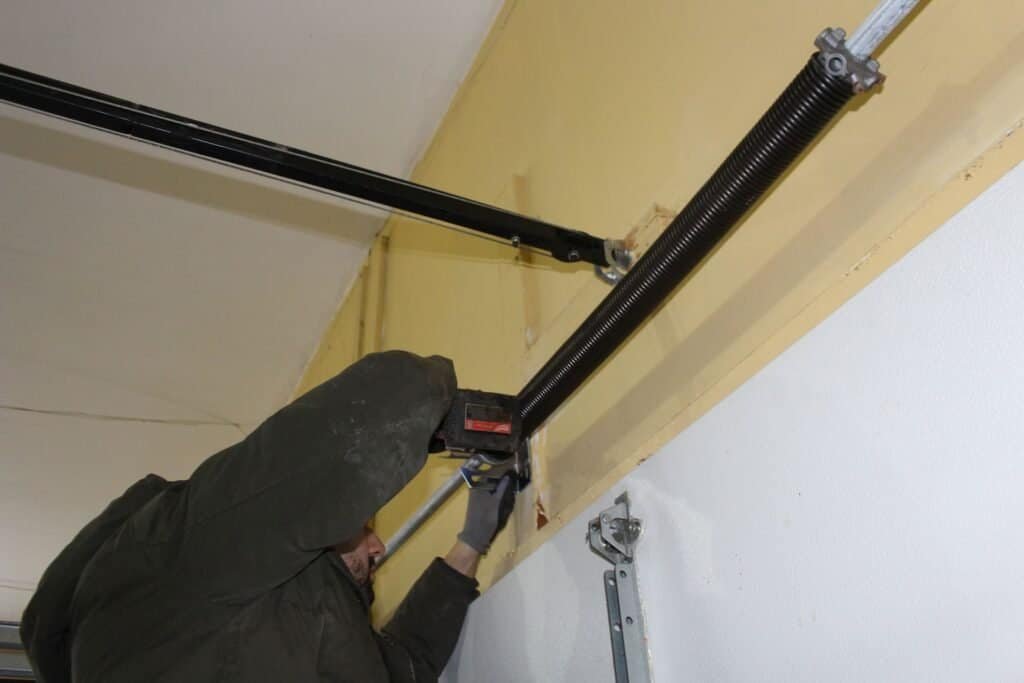
- If you’re dealing with torsion springs, slide the new spring onto the torsion tube and reattach the bolts.
- Wind the spring with your winding bars according to the manufacturer’s instructions.
For extension springs, reconnect the cables and pulleys, ensuring everything is properly aligned.
Test the Door
Once the new spring is installed, it’s crucial to test the garage door to ensure everything is functioning correctly. Open and close the door a few times, checking for smooth movement. If the door feels too heavy or too light, you may need to adjust the tension of the spring to balance the door properly.
Perform Regular Maintenance
After successfully replacing your garage door spring, performing regular maintenance can help prevent future problems. Lubricate the springs, rollers, and other moving parts to keep the system running smoothly.
When to Call a Professional
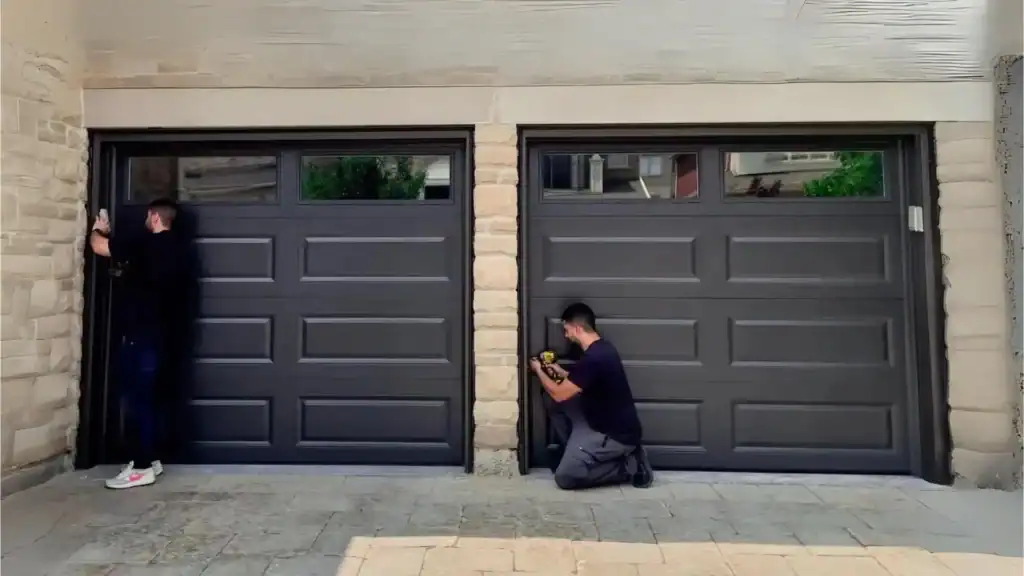
Replacing a garage door spring is a task that requires precision and safety. If you’re uncomfortable or unsure at any step, don’t hesitate to call a professional. Companies like 24/7 Garage Door specialize in spring repairs and can handle the process with the expertise needed to avoid injury or further damage.
Final Thoughts
Fixing a broken garage door spring might not be an everyday task for most homeowners, but with the right approach and proper precautions, it’s doable. Safety should always come first—never underestimate the tension that garage door springs are under. When in doubt, reaching out to an expert is always a smart choice.
This guide is designed to help you understand the steps involved, but if you’re not confident in tackling the repair yourself, calling in a professional is a safe and reliable option. Remember, regular maintenance and periodic checks can help you avoid this issue altogether