
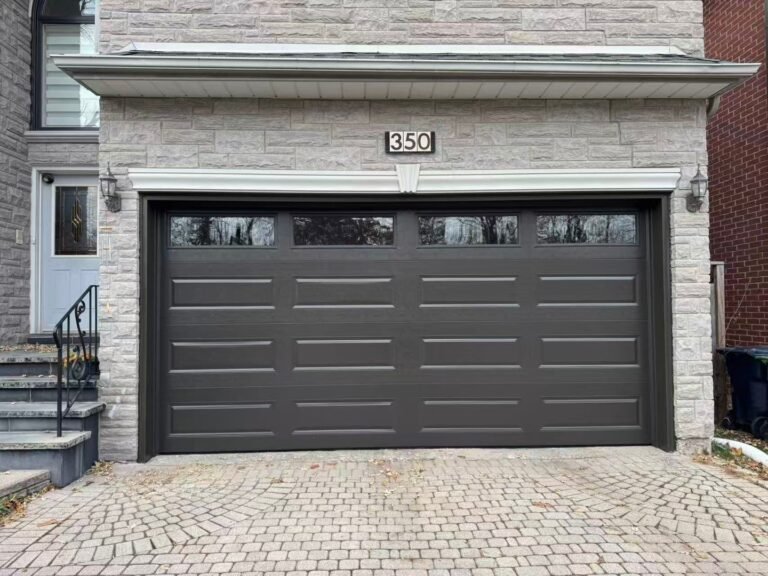
In Vaughan’s changing climate, homeowners often look for practical ways to improve energy efficiency and manage household utility costs. One area worth reviewing is the garage door. An insulated garage door may help reduce heat transfer, improve comfort in an attached garage, and support more efficient heating and cooling. This guide explains the potential benefits of energy-efficient garage doors, the features that affect performance, and the factors Vaughan homeowners should consider before choosing an upgrade.
Understanding the Importance of Energy-Efficient Garage Doors
The garage door, especially in a home with an attached garage, may contribute to heat transfer when it is uninsulated or poorly sealed. Air leakage around the door can affect garage temperatures in winter and summer and may influence nearby living spaces. Choosing energy-efficient garage doors with suitable insulation and seals may help reduce this transfer, although actual energy savings depend on the home, garage layout, climate exposure, and installation quality.
Insulated garage doors are specifically designed with layers of insulation material, such as polyurethane or polystyrene, sandwiched between the door panels. This insulation acts as a thermal barrier, helping to maintain a more consistent temperature inside your garage and, consequently, in adjacent living spaces.
Beyond insulation, other factors contribute to the energy efficiency of a garage door, including the quality of the seals around the perimeter of the door and the materials used in its construction. Opting for features like thermal breaks and well-fitting weatherstripping can further enhance energy performance.
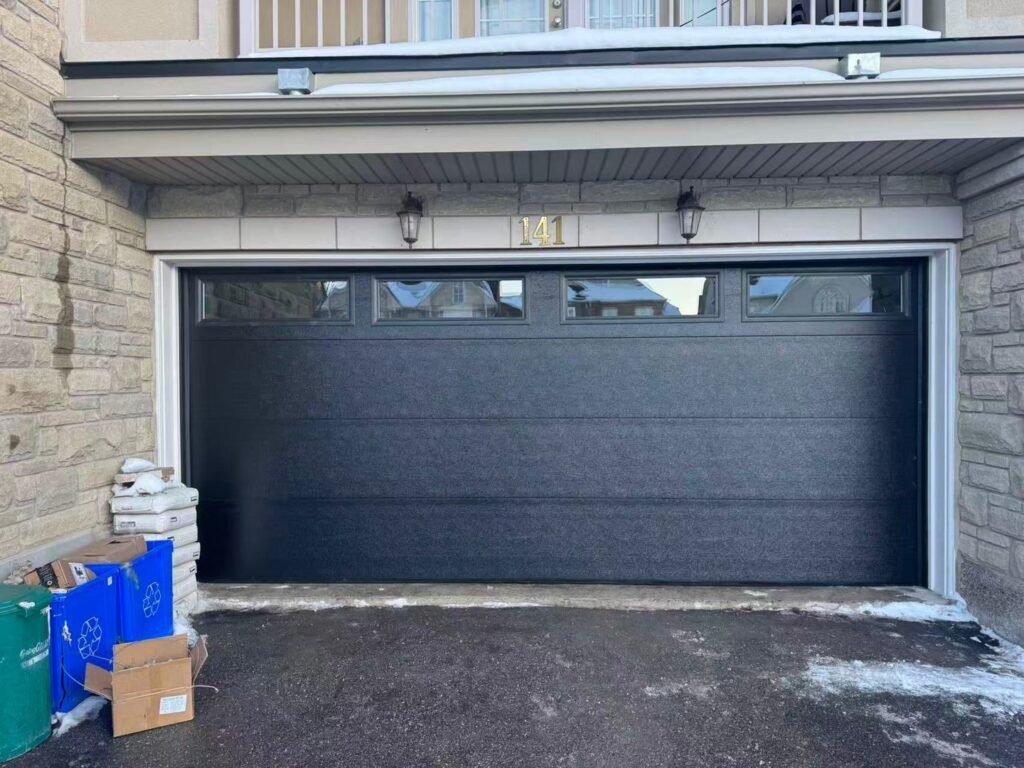
The Multifaceted Benefits of Energy-Efficient Garage Doors
Choosing energy-efficient garage doors may offer several practical benefits for Vaughan homeowners beyond possible energy savings. The following sections explain seven ways insulated construction may improve garage performance and comfort:
1. Potential Energy Savings with Insulated Garage Doors
A key benefit of insulated garage doors is reduced heat transfer through the door. During Vaughan winters, insulation may help limit heat loss from an attached garage, while in summer an energy-efficient garage door may reduce heat entering the space. The effect on heating and cooling costs varies based on the garage’s connection to the home, the door’s R-value, perimeter sealing, usage, and installation quality.
2. Enhanced Comfort in Adjacent Living Spaces
If you have a room located above or adjacent to your garage, you’ve likely experienced temperature fluctuations in that space. An uninsulated garage allows extreme temperatures to seep through, making these rooms uncomfortable. By installing energy-efficient garage doors, you create a more stable thermal environment in the garage, which directly translates to more comfortable and consistent temperatures in your adjacent living areas. This may improve the comfort and usability of these spaces, especially during periods of very hot or cold weather in Vaughan.
3. Quieter Operation with Insulated Construction
The added insulation in insulated garage doors doesn’t just improve thermal performance; it also helps to dampen noise. The thicker, multi-layered construction acts as a sound barrier, reducing the noise transmitted both into and out of your garage. This is particularly beneficial for homes in busy Vaughan neighborhoods or for families who use their garage for hobbies or activities that generate noise. A quieter garage door may contribute to a more comfortable home environment.
4. Increased Durability and Longevity
The construction of energy-efficient garage doors often uses multi-layer panels that may provide more rigidity than basic single-layer doors. Added insulation can support the panel structure and may make some doors less prone to minor dents. Actual durability and service life depend on the door material, hardware, maintenance, exposure, and installation.
5. Possible Buyer Appeal
Upgrading to energy-efficient garage doors may appeal to buyers who value insulation, comfort, and lower air leakage. The effect on resale value varies and depends on the home, market conditions, door condition, design, and installation quality. You may also consider sectional garage doors when comparing insulation and space requirements.
6. Reduced Condensation and Moisture Issues
In uninsulated garages, temperature differences can lead to condensation, especially during periods of high humidity in Vaughan. This moisture can contribute to rust, mold growth, and damage to stored items. The insulation in energy-efficient garage doors may help moderate temperature changes inside the garage and reduce some condensation risk. Moisture conditions also depend on ventilation, humidity, air leakage, drainage, and how the garage is used.
7. Contribution to a More Sustainable Environment
When energy-efficient garage doors reduce heating or cooling demand, they may also reduce related household energy use. The environmental effect depends on the home, energy source, garage configuration, and actual change in consumption. Choosing sustainable garage door materials may also be part of the comparison.
Key Features to Look for in Energy-Efficient Garage Doors
When selecting energy-efficient garage doors for your Vaughan home, consider the following key features:
- R-Value: The R-value measures thermal resistance. A higher published R-value generally indicates greater resistance to heat flow, but homeowners should compare how manufacturers test and report values and choose a rating suited to the garage layout and intended use.
- Insulation Material: Polyurethane and polystyrene have different insulation, rigidity, weight, and cost characteristics. Compare manufacturer specifications for the specific door.
- Door Construction: Multi-layer construction may provide more insulation and panel rigidity than a basic single-layer door, depending on the materials and design.
- Thermal Breaks: These non-conductive materials are placed between the interior and exterior of the door panels to prevent thermal transfer through the door’s structure.
- Perimeter Seals: Well-fitted weatherstripping around the edges of the door and between sections helps reduce air infiltration.
- Window Options: If you choose windows, opt for double-pane or triple-pane options with insulated frames to minimize heat loss.
Choosing the Right Energy-Efficient Garage Door for Your Vaughan Home
Selecting the ideal energy-efficient garage door for your Vaughan home involves considering your budget, aesthetic preferences, and specific insulation needs. Here’s a table comparing common insulation materials:
| Insulation Material | R-Value per Inch (Approx.) | Advantages | Disadvantages |
| Polystyrene (EPS) | 3.5 – 5.0 | More affordable, lightweight | Lower R-value per inch, less structural support |
| Polyurethane (PUR) | 6.0 – 7.0 | Higher R-value per inch, excellent structural support, better sound dampening | Generally more expensive |
Consider the material of the door itself. Steel doors are available in insulated configurations and vary in durability by gauge and construction. Wood doors offer a classic appearance but may require more maintenance. Aluminum doors are lightweight and corrosion-resistant, while their thermal performance depends on insulation and thermal-break design.
Professional Installation for Optimal Energy Efficiency
While DIY installation might seem tempting, professional installation is highly recommended for energy-efficient garage doors. Proper installation helps the door seal and balance as intended and supports the performance stated by the manufacturer. A qualified installer should use suitable tools and follow the door and opener installation requirements. You can learn more about the importance of professional installation on resources like the International Door Association.
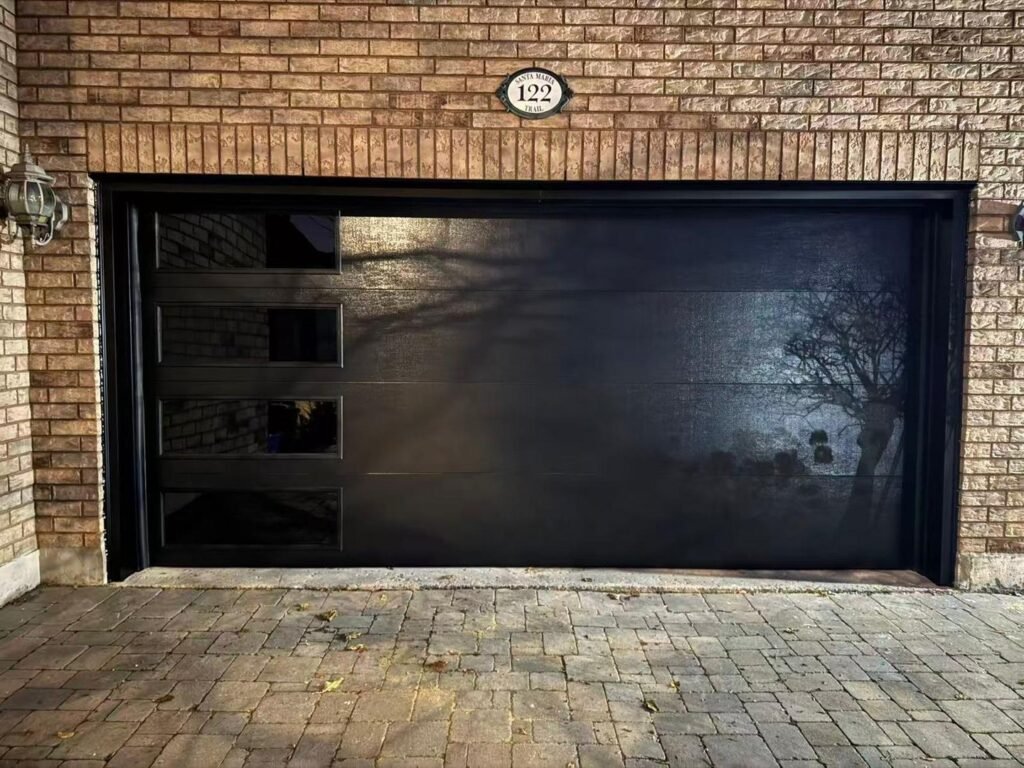
Maintaining Your Energy-Efficient Garage Door
To help your energy-efficient garage door continue operating as intended, regular inspection and maintenance are recommended. This includes:
- Visual Inspections: Check for any signs of damage, such as cracks or dents.
- Lubrication: Lubricate moving parts like rollers, hinges, and tracks regularly.
- Weather Seal Checks: Inspect the weatherstripping for damage or wear and replace it as needed.
- Balance Testing: Ensure the door is properly balanced to prevent strain on the opener and ensure smooth operation. If you need assistance with maintenance, consider contacting our expert garage door service in Vaughan.
Conclusion: Compare Comfort and Efficiency Benefits Carefully
For Vaughan homeowners comparing insulation and comfort improvements, energy-efficient garage doors may be worth considering. By comparing insulated garage doors based on published R-value, door construction, perimeter seals, garage layout, installation requirements, and total project cost, homeowners can make a more informed decision. To learn more about available options, visit our page on new garage door installation. Comfort and energy-cost changes depend on the property and how the garage is used.
| Feature | Benefits for Vaughan Homeowners |
| Remote Access | Open for deliveries in winter without going outside, grant access to service providers remotely, check if the door is closed before bed, all crucial for the Vaughan climate and busy lifestyles. |
| Enhanced Security | Real-time alerts may improve awareness of garage door activity. Temporary access codes can reduce the need to share physical keys with visitors. |
| Smart Home Integration | Compatible systems may connect with other smart devices for routines such as checking or closing the garage door when leaving home. |
| Monitoring and Notifications | Stay informed about garage door activity, even when away, providing security and awareness. Useful for families with children or for monitoring infrequent garage use. |
| Convenience | Control your garage door with your smartphone or voice commands, eliminating the need for physical remotes. Particularly helpful when hands are full or during inclement weather common in Vaughan. |